

Your website should be one of your hardest-working business assets.
It should generate enquiries, support sales, build trust and guide customers effortlessly toward taking action. Yet many businesses continue using websites that are slow, outdated or difficult to navigate, often without realising how much those issues are costing them.
In 2026, successful businesses are moving away from assumptions and making decisions based on evidence. Rather than rebuilding everything at the first sign of trouble, they’re using data to identify what’s broken, prioritise improvements and measure the impact of every change. The key is knowing when your website is asking for help.
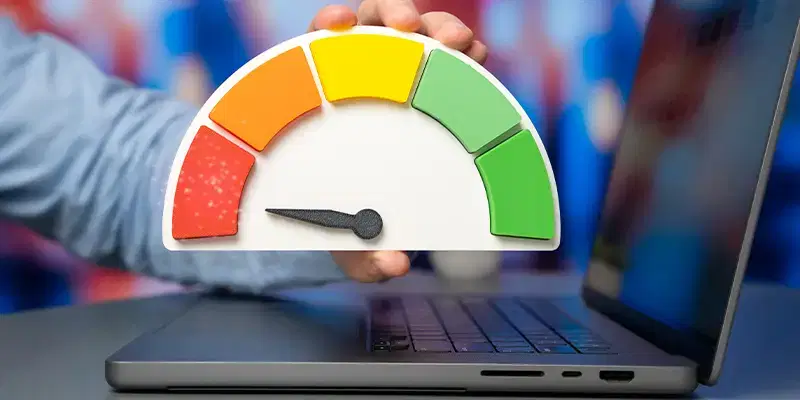
Signs your website needs attention
A website rarely stops performing overnight. Problems develop gradually and by then it’s too late, but what should you look for?
1. Conversions are falling
If you are noticing less leads and conversions than before, that’s a sign something’s wrong. People may be visiting the right pages you want them to see but, leaving without doing anything. This usually isn’t random, there is a disconnect between you and your customer somewhere and that needs to be identified.
2. Your website is getting slower
People expect websites to load quickly. If yours is even a fraction too slow for visitors’ liking, visitors will get frustrated and leave. Search engines like Google will also rank you lower for it. Slow websites can take a big hit on your hard earned search optimisation. Even a short delay in loading will cost you visibility, visitors and sales.
3. User journeys feel confusing
Visitors may be struggling to find what they’re looking for, or give up partway through filling out a form. Then your website may be making things harder than it needs to. An effective website should make it easy and obvious for people to go from “just looking” to “taking action”.
4. Tools are breaking down
Most websites are connected to other tools. For example online booking systems, payment processing, even social media or review connections are external tools/plugins. When these stop working properly or don’t sync to each other smoothly, it looks unprofessional, makes your website look incomplete and can lose you business. Customers expect everything to just work.
5. Your brand has outgrown your website
As your business grows and changes, your website should change with it. If you’ve added new services, changed direction, or your target customers have shifted, but your website still looks and reads the same as it always has, it can confuse visitors about what you actually do and why they should choose you. It might be time to look into how you can align your website to meet the needs of the customer you want to attract.
Cheap solutions today, or big fixes tomorrow?
Most website problems are cheap and easy to fix when they’re small. A page loading a bit slower than it should, a form that’s slightly confusing, or an integration that’s starting to play up can usually be sorted quickly and affordably if you deal with it early. On their own they are small but together it can quickly become a mountain of a problem. The issue is, these things rarely feel urgent at first, so they get left, and “I’ll get to it eventually” quickly becomes a habit.
From reading this blog, you should now know, small issues don’t stay small. Left alone, they compound. A slightly slow site gets slower as more is added to it. A minor bug spreads and starts affecting other parts of the site. What would have taken a small, affordable fix today can turn into a major overhaul a few months down the line, costing far more in time, money and lost business than if it had been addressed straight away. The choice ultimately comes down to this: fix it now while it’s small and inexpensive, or leave it and pay significantly more to fix it later, once it’s grown into a much bigger problem.
Investing at the Right Time
The best time to invest in your website is when the evidence tells you performance is slipping. Whatever the trigger, start with data. Get in touch with us to audit your website, we will find the root issues causing your website to take a knock, and improvements most likely to create meaningful results.
Not all issues require a complete rebuild (at first, if you spot it early enough). Sometimes a series of targeted changes can transform performance. We would like to help, get in touch to book a FREE website audit and get your website running at its full potential.